Cross-flow fans: the perfect choice for efficient cooling solutions
Release time:
2024-04-15
In industrial and commercial environments, effective temperature control is critical. Whether it is the heat dissipation of electronic equipment or the air circulation of large spaces, choosing the right fan type is essential to ensure operating efficiency and extend the life of the equipment. Because of its unique design and versatility, cross-flow fans have become the first choice for many applications. This article will delve into the functions, advantages and how to play a role in different fields of cross-flow fans.
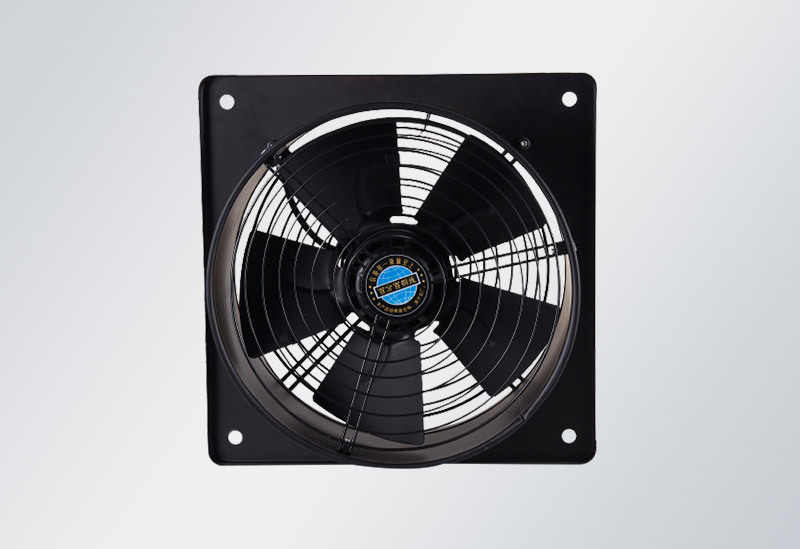
Features and benefits of 1. cross-flow fans
Cross flow fan, as the name suggests, the wind direction and the motor axis perpendicular. This design allows the fan to generate a large amount of air flow at a low speed while maintaining a low noise level. Cross-flow fans typically have the following advantages:
The combination of high air volume and low energy consumption improves the energy efficiency ratio.
Compact design for easy installation in limited spaces.
Diversified sizes and configurations to meet different needs.
Good durability, suitable for continuous operation environment.
2. Application Areas
Cross-flow fans are widely used in many fields, including but not limited:
Electronic device heat dissipation: In computers, servers and other high-tech equipment, cross-flow fans effectively dissipate heat and protect sensitive electronic components.
Air handling units: In air conditioning and heating systems, cross-flow fans help circulate air to ensure a uniform indoor temperature.
Industrial manufacturing: On the production line, cross-flow fans are used to provide the necessary cooling or drying process.
Medical equipment: In the medical industry, cross-flow fans are used to maintain the temperature of the equipment stable and ensure accurate operating conditions.
3. how to choose a cross-flow fan
When selecting a cross-flow fan, the following factors should be considered:
Required air volume: Determine the required air volume according to the application requirements.
Space constraints: Ensure that the selected fan can fit the installation space.
Noise level: Select the noise level appropriate for the environment.
Durability and reliability: Consider the quality of the fan and the guarantee provided by the manufacturer.
Energy consumption standards: Choose models that meet energy efficiency standards to reduce long-term operating costs.
4. use and maintenance recommendations
In order to ensure the long-term performance of the cross-flow fan, it is recommended to perform the following maintenance work on a regular basis:
Clean the fan blades and housing to prevent dust accumulation affecting efficiency.
Check the fasteners to make sure that all parts are fastened without looseness.
Monitor the operation state, if found abnormal noise or vibration should be timely maintenance.
Follow the manufacturer's use and maintenance guidelines to ensure performance.
Conclusion:
Cross-flow fans have become an indispensable part of many industrial and commercial environments due to their efficient cooling capacity and wide range of applications. By understanding its functions, advantages and how to choose the right model, users can make greater use of cross-flow fans and improve the operating efficiency and service life of the equipment. Whether in electronic equipment cooling, air handling or industrial manufacturing, cross-flow fans are a highly efficient cooling solution worth considering.
Related News
Service Hotline

Address: 22-01, Luqiao Hong Kong Youth Industrial Park, No.1 North Road, Fengjiang Street, luqiao district, Taizhou City, Zhejiang Province
Telephone:86-576-86630111 86381111
Fax: 86-576-81678111
XINFENGBA FAN